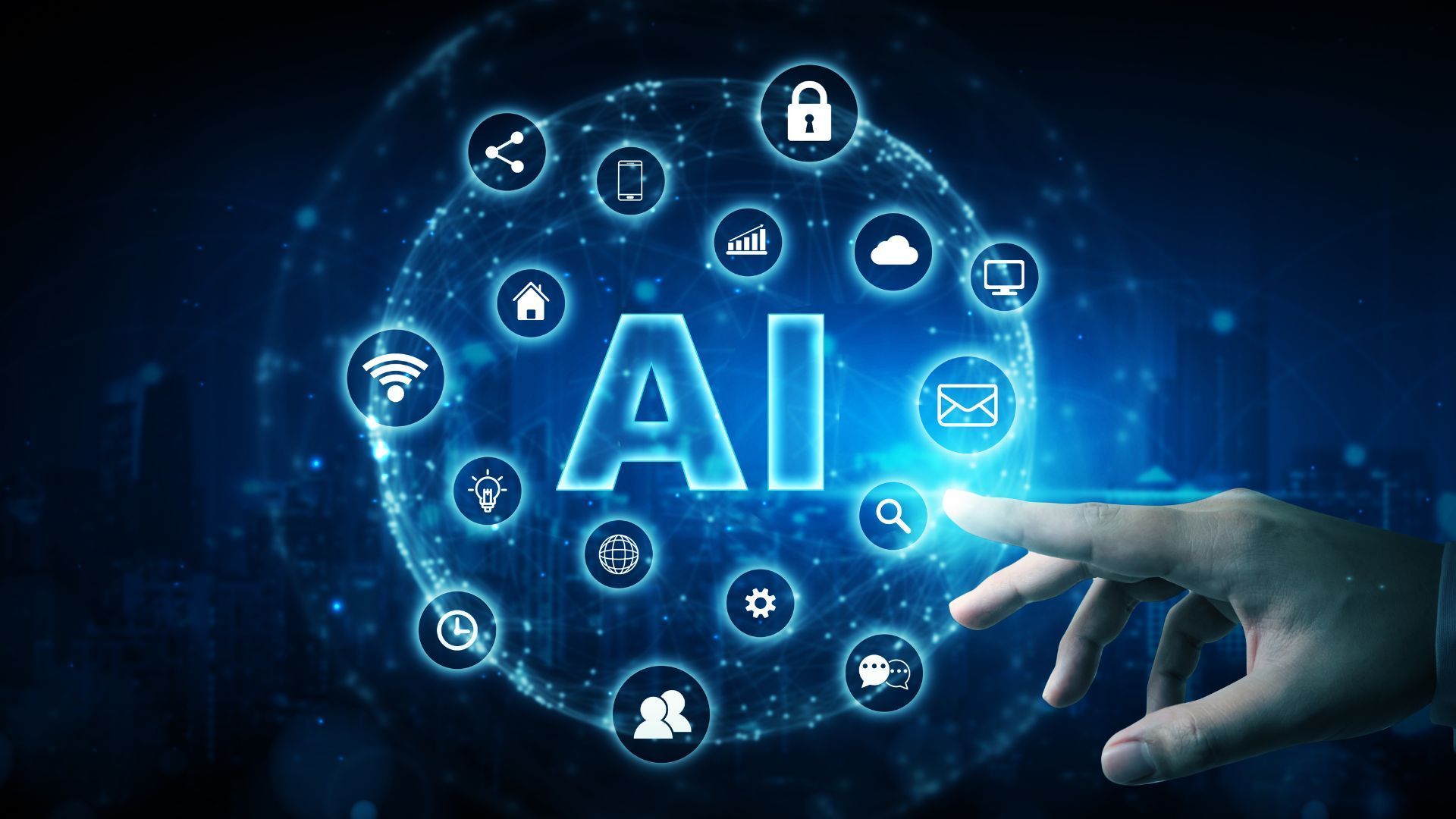

AI in Healthcare: Your Next Checkup Could Be an Algorithm
The Promise of
Predictive Care
Your next medical visit might start with an algorithm.
From detecting tumors in scans to predicting heart disease before symptoms appear,
AI in healthcare is moving medicine from reactive to predictive. These tools don’t just assist physicians—they help
foresee
illness, streamline care, and personalize treatment in ways once thought impossible.
From Data Overload to
Data Intelligence
Modern medicine produces more data than any human can process: imaging, lab results, genomics, lifestyle metrics, and real-time vitals from wearables.
AI thrives in that environment. Machine-learning systems can analyze millions of variables in seconds—spotting patterns invisible to even the most experienced specialists.
Examples of AI in action:
- Aidoc — flags potential strokes or pulmonary embolisms on CT scans within minutes.
- PathAI — uses deep learning to reduce diagnostic errors in pathology slides.
- Apple Health + AI Integrations — turns everyday biometrics into long-term trend analysis.
- DeepMind’s Med-PaLM — a medical-language model capable of answering clinical questions with expert-level reasoning.
AI in Diagnostics:
The Doctor’s Second Pair of Eyes
Radiology has become the proving ground for clinical AI.
Algorithms trained on thousands of images can now detect early signs of cancer, fractures, or vascular disease with remarkable accuracy. Rather than replacing radiologists, these systems act as co-readers—flagging anomalies, prioritizing scans, and improving speed and accuracy.
Hospitals using AI-driven image analysis report:
- 20–40 % faster turnaround times
- Fewer missed early-stage cases
- Reduced radiologist fatigue
Personalized Medicine
at Scale
AI isn’t just diagnosing; it’s tailoring treatment.
Predictive models synthesize genetics, environment, and behavior to recommend therapies with the highest probability of success for each individual.
Pharmaceutical giants are already using AI to:
- Identify drug targets faster
- Design personalized oncology treatments
- Monitor adverse reactions post-market through real-time data
What once took researchers years can now happen in weeks.
The Role of Generative AI in Patient Communication
Generative AI is also transforming how patients interact with healthcare systems.
Conversational bots and clinical copilots are drafting follow-up notes, summarizing appointments, and translating medical language into something people actually understand.
For overworked clinicians, that means less time documenting and more time connecting.
For patients, it means
greater clarity and confidence in their care.
Ethics, Bias, and
the Human Touch
Yet with promise comes responsibility.
Algorithms learn from historical data—which can reflect human bias. If unmonitored, AI could unintentionally reinforce disparities in race, gender, or access to care.
That’s why regulators and hospitals are emphasizing:
- Explainable AI (XAI) for clinical transparency
- Human-in-the-loop models to keep doctors accountable
- Continuous auditing of training data to prevent bias creep
Technology may enhance medicine, but empathy, context, and judgment remain irreplaceable.
Supply Chain Secrete Sauce
Free Distribution KPIsWhat’s Next:
Preventive AI and Population Health
The next frontier is proactive medicine—AI systems that spot risks before symptoms emerge.
Imagine a national health dashboard that uses anonymized data to predict flu outbreaks, or personal wearables that alert you to metabolic changes days before you feel unwell.
We’re moving toward healthcare that’s not just reactive but
anticipatory—powered by AI that never sleeps.
Key
Takeaways
- AI enables faster, more accurate diagnosis and personalized treatment.
- Generative AI enhances doctor–patient communication.
- Ethical oversight is essential to prevent bias and preserve trust.
- The shift from treatment to prediction is redefining healthcare economics.
The Bottom Line
AI isn’t replacing your doctor—it’s becoming the invisible colleague working beside them.
From early detection to continuous monitoring, artificial intelligence is helping medicine move from sick care to smart care—and that’s a prognosis everyone can celebrate.
Gain Your Advantage
Stay informed as AI reshapes industries—from hospitals to headquarters.
Subscribe to GAIN Magazine for the latest insights on technology, leadership, and innovation.

Web Education Services
Visit Web Education Services
Supply Chain Secrete Sauce
Visit Supply Chain Secret Sauce
airia
Visit aria